


Day 1
Arrive in Chennai
Welcome to India! Upon arrival in Chennai, you will be met by our on-ground staff and transferred to your hotel.
Chennai, formerly known as Madras, is the capital of Tamil Nadu, located on the Coromandel Coast off the Bay of Bengal. It is the sixth-largest city in India and one of the most visited by foreign tourists. The city is known as the health capital of India, and National Geographic has ranked Chennai’s food as the second best in the world.
It serves as the gateway to South India, with a history rich in literature, philosophy, religious faith, and a form of classical music known as the Carnatic musical style. Tamil, the language of the region, is believed to be one of the oldest and most complicated in the world. Chennai is nicknamed the “Detroit of India,” with one-third of India’s automobile industry based here, and it houses the Tamil film industry known as “Kollywood.”

Day 2
Chennai
After a leisurely breakfast, the hotel’s chef will give an introduction to Indian cuisine.
Then, set out on a food walk in George Town, exploring the jumble of narrow streets and bazaars in this historic area of the city. There is fine dining here too, and enjoy a wonderful meal at one of the city’s top restaurants.
This evening, join the scene at Marina Beach, six kilometres long, making it one of the longest urban beaches in the country and one of the longest in the world—this is where locals go to fly kites, take walks, and swim.

Day 3
Fly from Chennai to Trichy, Drive to Chettinad
This morning, drive to the airport to fly to Trichy. Upon arrival in Trichy, drive to Chettinad, the cultural home of the Chettiars who made their fortune as moneylenders, merchants, and jewelers.
Chettinad is known for its distinctive cuisine, architecture, temples, and handicrafts. Some well-known Chettinad dishes include Chicken Chettinad, Vegetable Chettinad, and dishes featuring seafood.
Their architecture features mansions with spacious rooms and wide courtyards built with marble and teak. Stay in one of these splendidly restored mansions, where the hotel’s kitchen is presided over by an experienced local who has carefully maintained the traditions of distinctive Chettinad cuisine.

Day 4
Chettinad
The Indian adage states that “one is lucky to eat like a Chettiar.” Food in Chettinad is some of the most distinctive in the country.
Most dishes are non-vegetarian and use a distinctive set of spices, including star anise, peppercorns, cinnamon, bay leaves, nutmeg, and unusual local ingredients such as “black stone flower” (a dried herb) and marathi moku (a kind of sun-dried caper).
Participate in a cooking class to prepare a traditional meal, and note that chutneys and pickles are an important part of every South Indian meal. Later, visit a local producer to observe how a number of different meals are made.
Stop in the village of Pillayarpatti, home to one of the most important temples to the elephant-headed god Ganesha and a world-renowned school for the training of priests. Observe the sacred ‘homa’ fire ceremony and enter the inner temple to witness an elaborate blessing and offering to the image of Ganesha carved into the rock of the hillside.

Day 5
Chettinad to Madurai
This morning, drive through the Tamil countryside to Madurai, one of the oldest cities in India along the banks of the Vaigai River. This metropolis traded with Ancient Rome and Ancient Greece and dates back to 300 BC.
The city is a significant antiquity ruled by various dynasties such as the Cholas, Pandyas, and Vijayanagar kingdom. The town is patterned as a lotus flower, with the temple of Goddess Meenakshi at the center.
The afternoon tour includes the Meenakshi Temple with its gigantic gateways (some over 49 meters high), the 1000-Pillared Temple Museum housing a large collection of icons, the Mariamman Tank, and the Gandhi Museum.


Day 6
Madurai
This morning, take a walking tour of Madurai beginning at 6 a.m. to see everyday life in the city.
Later, visit the Meenakshi Amman Temple, a historic Hindu temple dedicated to the goddess Parvati and her consort Shiva. Renowned for its astonishing architecture, the temple has been nominated for the new Seven Wonders of the World and houses 14 gopurams or gateway towers about 40 meters tall, with the southern gopura the tallest at 51 meters.
See the Thirumalai Nayak Palace, a 17th-century palace intended to be one of the grandest in South India. In the afternoon, visit the Gandhi Memorial Museum, established in 1959 and one of five Gandhi Sangrahalayas in the country; it includes part of the blood-stained garment Gandhi wore when assassinated by Nathuram Godse, along with photographs and artifacts from his life.
This evening, enjoy a food safari, visiting various vendors to taste their specialties.

Day 7
Madurai to Periyar
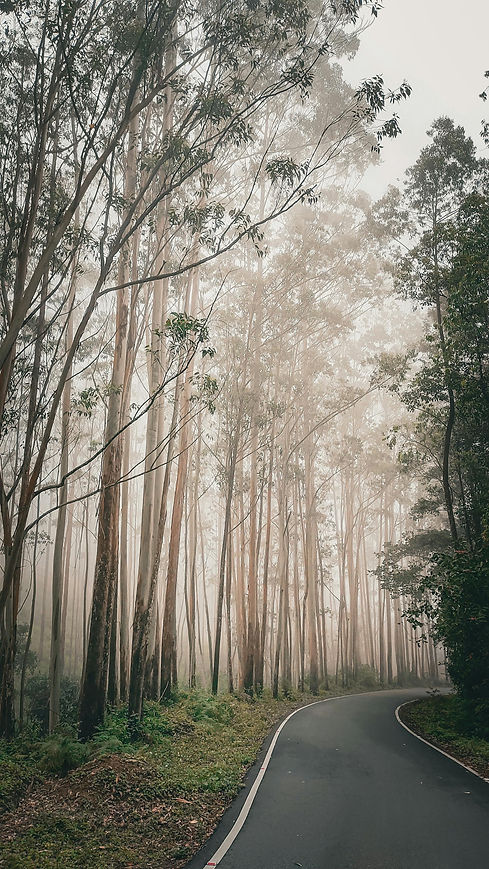
After breakfast, drive to Periyar, known as the spice coast, where the region boasts some of the country’s finest spice plantations. En route, stop at a plantation and join a local family for lunch. After lunch, visit a tea factory for insight into the cultivation and processing of tea.
Upon arrival in Periyar, check in at your hotel, which re-creates the mood of a tribal community thatched in elephant grass and set in a lush spice garden. The resort features a specialized Ayurvedic facility, allowing time to experience massages and other therapies.
In the evening, enjoy ‘Kalaripayattu’, the traditional martial art of Kerala, specifically used for defense and resistance. This martial form maintains physical energy, releases emotional stress, provides full relaxation, promotes new energy, and improves mental awareness. Originating in North Malabar around 300 BC, it is considered the oldest surviving fighting system in the world, with three schools, and was revived around 1920 as part of the traditional arts revival in South India.
Day 8
Periyar
Start the day with a spiritually refreshing yoga session at your hotel. Yoga is perhaps the world’s first system that recognizes the connection between body and mind. Its main purpose is to isolate the mind of all thoughts, worries, and fears while increasing the strength and flexibility of the body; regular practice helps keep stress and tension at bay and facilitates a state of wellbeing and peace.
This morning, visit nearby spice plantations where pepper, cardamom, cloves, and cinnamon are cultivated, and learn about traditional, organic techniques used to prepare the spices for the kitchen. Later, explore the local spice markets.
Join the chef later in the morning for a cooking class specializing in Keralan cuisine. The chef follows a strict 50-mile diet, procuring all ingredients from a 50-mile radius, with some coming from only 50 yards away.
This afternoon, enjoy close interaction with elephants, including a long walk, bathing, feeding, and learning how to communicate with these wonderful animals.

Day 9
Periyar to Kochi (2.5-Hour Drive)
This morning, take a boat ride on Periyar Lake, formed by the construction of a dam on the Periyar River. Later, drive to Kumarakom, a cluster of little islands on Vembanad Lake.
Kumarakom captures the essence of Kerala in a unique and lovely setting. Condé Nast Traveller rated Kumarakom among the 25 best getaways in the world.
In the afternoon, enjoy lunch with a local family. After lunch, drive to Kochi (Cochin), which has the best natural harbors in the country. Traders from the West came around the 3rd century and took back spices, ivory, and teak; much later, in the 15th century, the Portuguese, Dutch, French, and British came to the region in the guise of merchants, and some stayed on as colonial rulers.

Day 10
Kochi
This morning, discover Kochi by taking a tuk-tuk through Willingdon Island and the historic parts of old Kochi at Fort Kochi and Mattancherry, filled with picturesque tiled roofs and pastel-coloured buildings. Kochi has the best natural harbour in the country, set amidst picturesque lagoons and backwaters famous across the world; enjoy the breeze passing through the romantic backdrop of swaying coconut and palm trees.
The tour includes the Dutch Palace, the Jewish Synagogue built in 1568, and St. Francis Church—the oldest church built by Europeans in India. See the fascinating Chinese fishing nets, and participate in Kochi’s main enterprise, commerce, by stopping at numerous shops selling tea, jute, chilies, turmeric, cashew, ginger, cardamom, and pepper.
Later, dive deeper into India’s captivating culture on a Kochi food tour that takes you on a flavourful journey through the Muslim, Hindu, and Christian areas of this fascinating city. Walk through a bazaar to glimpse the life of spice traders, and stop for tea or coffee and snacks at a local tea shop, easing into Kochi’s culture.
This afternoon, set off on foot, delving into the heart of Mattancherry, a treasure trove of Muslim culture and food. This evening, join the chef for a hands-on cooking session.

Day 11
Kochi to Kumarakom (2-Hour Drive)
Optional Spice Trail
Embark on a Spice Trail adventure to discover the story of Kochi and Kerala through the spice trade and its influence on world history. Perceive how trade shaped not only the culture but also the local cuisine in one of the East’s most interesting port towns. Stop at a local café, once a bustling pepper godown, for iced tea and learn about the restoration of this heritage building.
Optional Toddy Trail
Explore toddy, the local alcoholic drink from the coconut tree, and the traditional craft of toddy tapping. Visit a coconut grove to meet a toddy tapper who demonstrates indigenous tools, tapping, chopping, and extracting fresh toddy straight from the tree. Try freshly tapped toddy, then visit a toddy shop where it pairs with local delicacies to explore this sub-cuisine.
This morning remains at leisure. Late morning, drive to Kumarakom, a quiet village on the banks of picturesque Vembanad Lake amid the famous backwaters—a complex network of lakes, canals, and rivers supporting a beautiful, fragile ecosystem. En route, stop at Philipkutty farm to learn Keralan cooking with age-old recipes passed down generations using wholesome local ingredients.

DAY 12
Kumarakom
(Optional) This morning we start our day with a yoga and meditation session. Now that you have been sampling some of India’s most exotic foods, here comes time for relaxation and rejuvenation. Ancient India’s gem, Ayurveda isa specialty of Kerala, and Coconut Lagoon is equipped with a specialized Ayurvedic facility where you’ll be treated with massages and other treatments (at your own expense). Ayurveda literally means the science oflife (Ayur = Life, Veda = Science). It is an ancient medical science which was developed in India thousands of years ago. The ancient Vedic literature written by sages has clear instructions to maintain health as well as fighting illness through therapies, massages, herbal medicines, diet and exercise.
Enjoy some free time this morning to relax before you depart for your afternoonboat cruise through the Kerala Backwaters on one the region’s trademark houseboats. Built without a single nail, the planks of these shallow barges aretied together with strong coir rope. From your comfortable vantage point,observe the rituals of village life; farmers tilling fields with buffaloes, womenwashing laundry and children splashing in the water. You will see shallow,palm-fringed lakes studded with Chinese fishing nets and shady canals wherecoir (coconut fibre), copra (dried coconut meat) and cashews are loaded ontodugouts. A Keralan lunch will be prepared and served on board.

Day 13
Kumarakom
This morning, explore nearby backwater villages by country boat. Experience the laid-back, scheduled lifestyle of villagers, which contrasts with fast city life; they lead simple, hassle-free lives and seem happy with what they have.
Witness local village activities like coir yarn processing—made from coconut fibre found between the hard inner shell and smooth outer surface—and copra processing, Kerala’s oldest industry. Later, walk through paddy fields to meet local people or take a ride to the nearby village market.
This afternoon, visit Café Kudumbashree for an evening snack and chai (tea). The Kerala government has encouraged women to start canteens and catering groups statewide, providing intensive training on health, food habits, and customer service; the women use their own recipes to preserve local flavour and traditional cooking methods.

Day 14
Kumarakom to Kochi - Departure
Today, drive to Kochi airport for your international flight back home.
We wish you safe travels back home and look forward to welcoming you back to continue exploring Incredible India in the near future.