


Discover the Divine Wonders of India.
- Sreejith TR
- Jun 2, 2025
- 11 min read
Updated: Jul 1, 2025
Incredible India one journey at a time.

Welcoming you to the most unique and transformative travel destinations on Earth.
India is one of the worlds most diverse & vibrant travel destination. With the blend of ancient
traditions & modern wonders this unique experience can find in every corner of the country from the snow-capped Himalayas of north to serene-backwaters and beaches of south, royal forts and desserts of west to lush rain forests in east.
India is incredibly diverse with both north and South India offering wondrous cultural and culinary experience and natural beauty. The numbers of things to do and places to visit in India is limitless.
Let’s Discover the Architectural Masterpieces
Taj Mahal -The Romantic Aura.
The Taj Mahal in Agra, built by Emperor Shah Jahan in the 17th century, is often hailed as the pinnacle of Mughal architecture and is India's most famous monument listed as a UNESCO World Heritage Site.
The Taj Mahal stands as an architectural masterpiece of white marble, renowned for its flawless symmetry, intricate pietra dura inlay work, and harmonious gardens, making it one of the most beautiful buildings ever created. Its setting along the Yamuna River, formal charbagh gardens, and flanking mosque and jawab buildings create an immersive experience that blends artistry, history, and natural beauty.

Known globally as a monument of love, the Taj Mahal’s origin story—Shah Jahan’s grief and devotion—resonates with visitors, making it a bucket-list destination for couples and romantics alike. The mausoleum’s ethereal glow at sunrise and sunset, when its marble shifts from pink to gold, provides an emotional experience.
Visitors approach the complex through a grand marble gateway, proceeding along tree-lined pathways toward the central mausoleum, all while a sense of serenity pervades the air. The on-site mosque and jawab offer context into the religious and social dimensions of the Mughal era, while guided tours elucidate the monument’s symbolism and technical feats. On Fridays, the tomb is closed for Muslim prayers, adding a spiritual rhythm to the visiting schedule.
Qutub Minar - Brick, Stone & Splendour: The Qutub Canvas.
The Qutub Minar, a 73 m-high tapering tower in South Delhi, is not only one of the world’s tallest brick minarets but also India’s earliest example of Indo-Islamic architecture, built starting in 1193 by Qutb-ud-din Aibak and completed by his successors.

Its striking red-sandstone and marble construction features intricate geometric and floral carvings alongside Arabic and Nagari inscriptions, showcasing masterful pietra dura inlay work.
Designated a UNESCO World Heritage Site in 1993, the Qutub complex also includes the world-famous Iron Pillar, the Alai Darwaza gateway, and the Quwwat ul-Islam Mosque—India’s first mosque—making it a rich archaeological ensemble that spans both Hindu and Islamic traditions. Beyond its architectural and historical importance, the site hosts cultural events like the annual Qutub Festival, offering a vibrant setting where history and contemporary arts meet.Visitors enter the complex through the grand Alai Darwaza, proceeding along shaded pathways toward the towering minaret set within lush lawns and reflecting pools. Guided tours and interpretive panels explain the significance of each monument, while multilingual audio guides are also available on-site for deeper context.
Hawa Mahal - Feel the Breeze of Royalty.
Built in 1799 by Maharaja Sawai Pratap Singh and designed by Lal Chand Ustad, this five-storied sandstone monument blends Hindu Rajput and Islamic Mughal architectural styles, embodying Jaipur’s “Pink City” heritage.
Hawa Mahal, the iconic “Palace of Winds” in Jaipur, is celebrated for its striking honeycomb façade of 953 intricately carved windows (jharokhas) that allowed royal ladies to observe street festivals unseen, and for its ingenious Venturi-effect cooling system that channels breezes through its latticework, making the interior pleasantly cool even in peak summer
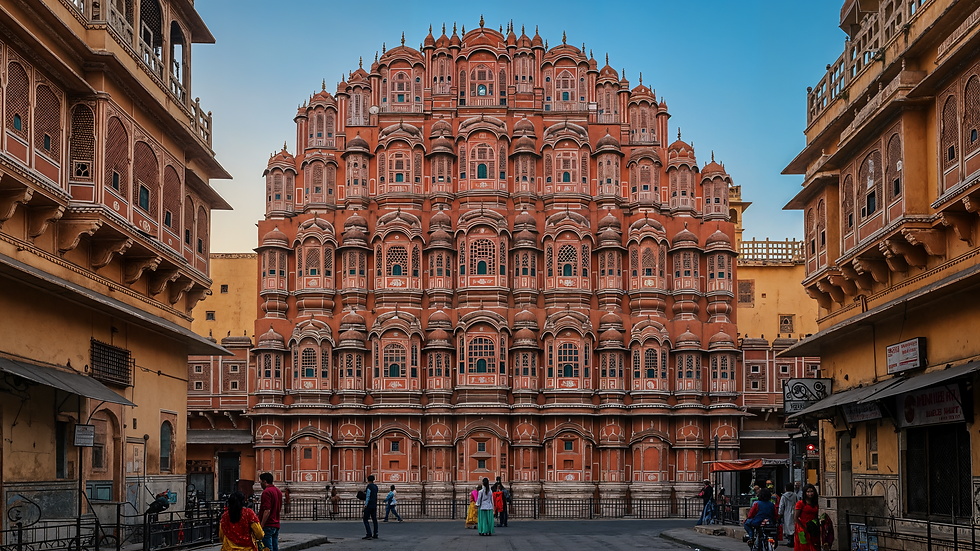
While much of Hawa Mahal’s appeal is appreciated from the street, climbing inside rewards visitors with a charming inner courtyard, dotted with fountains and framed by graceful arches. A brief 20–30-minute visit allows you to wander its corridors, enjoy the cool shade, and imagine royal life behind the lattice screens.
From the upper floors, you can capture panoramic views over Jantar Mantar and the adjacent City Palace, as well as glimpse the bustling bazaars below. Inside, a small museum displays artefacts and models illustrating the palace’s construction and restoration, adding context to its intricate architecture.
Ajanda & Ellora Caves Maharashtra - Carved by Hand, Timeless by Design.
Visiting the Ajanta and Ellora Caves offers an unparalleled journey through India’s rock-cut architectural genius, masterful Buddhist murals, and monolithic Hindu and Jain temples, all set within dramatic Deccan plateau gorges. Both sites are UNESCO World Heritage properties—Ajanta for its 4th–7th century Buddhist cave monasteries and chaityas adorned with some of the world’s finest surviving ancient murals.
Ellora for its 600–1000 CE Hindu, Buddhist, and Jain caves, highlighted by the colossal, single-rock Kailasa Temple.

Together, they weave a narrative of religious syncretism, artistic evolution, and engineering prowess, making them must-visit destinations for history buffs, art lovers, and spiritual pilgrims alike...
Ajanta’s caves served as monsoon retreats for Buddhist monks, their serene setting on a horseshoe-shaped gorge fostering meditation and devotion.
Ellora remains an active pilgrimage site, with festivals and rituals still conducted in its shrines, underscoring its living heritage status.
Meenakshi Temple Madurai - (A Thousand Pillars Endless Wonder)
The Meenakshi Amman Temple in Madurai is a premier pilgrimage and cultural landmark renowned for its Dravidian architecture, vibrant festivals, and living heritage status. Built in its present form during the 16th–17th centuries by the Nayak rulers, the temple complex features 14 towering, intricately sculpted gopurams, a Golden Lotus Tank, and the famous Thousand-Pillared Hall with its musical columns

Its devotional atmosphere, enriched by daily rituals and the annual Chithirai Thiruvizha (Meenakshi’s celestial wedding), draws over a million pilgrims and tourists each year.
Recognised as India’s best “Swachh Iconic Place” for exemplary cleanliness and heritage management, the temple offers visitors an immersive experience of mythology, artistry, and community devotion. Daily pujas (rituals) and archana (offerings) create a constant aura of devotion, with temple priests performing elaborate ceremonies in the early morning and evening.
Golden Temple Amritsar - Where Gold Meets Grace.
The Golden Temple, or Sri Harmandir Sahib, in Amritsar, Punjab, is more than just a place of worship—it’s a symbol of universal brotherhood, humility, and spiritual peace. Whether you seek inner calm, architectural beauty, or cultural depth, the Golden Temple offers a transformative experience. The temple is gilded in 750 kg of pure gold, set against shimmering waters and white marble pathways.

The blending of Mughal and Rajput architecture with intricate gold inlay and marble carvings make it one of India’s most visually stunning monuments. The reflection of the golden sanctum in the sacred pool is breathtaking—especially at sunrise, sunset, or under moonlight.
The Guru ka Langar serves free meals to over 100,000 people every day, regardless of religion, caste, or nationality. Visitors can volunteer in the kitchen or dining hall, making it a humbling and enriching experience. A powerful expression of equality, seva (selfless service), and community living.
Time to Move to the Natural wonders.
LEH - Breath Deep Live Higher.

Visiting Leh, the heart of Ladakh in northern India, is a truly transformative travel experience — especially if you’re drawn to dramatic landscapes, Tibetan Buddhist culture, and a deep sense of solitude.
Leh sits at over 11,500 ft (3,500 meters) and is surrounded by the Himalayas and Karakoram ranges. Stark deserts, snow-capped mountains, turquoise lakes, and high-altitude passes — it’s like being on another planet. Famous spots include:
Pangong Lake
Nubra Valley
Khardung La (one of the highest motorable roads)
Tso Moriri Lake
Leh is a spiritual centre filled with Tibetan and Buddhist ancient monasteries, chortens, and colourful prayer flags.
Whether you’re biking or driving, routes like the Manali–Leh Highway and Srinagar–Leh Road are among the world’s most scenic and adventurous. River crossings, hairpin bends, and panoramic views make every mile unforgettable.
Dzkou Valley Nagaland - Natures secret Garden of the Northeast.
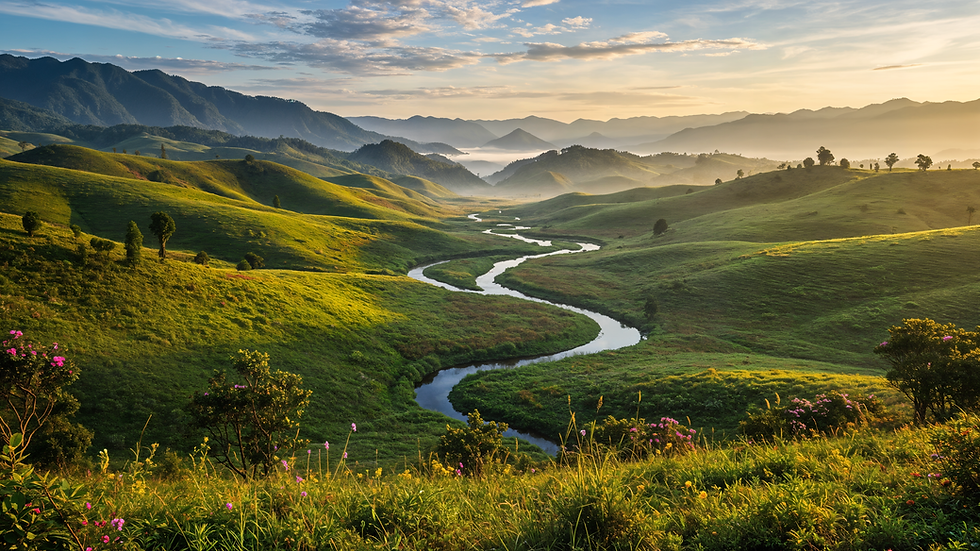
Visiting Dzukou Valley is a magical experience — often called the “Valley of Flowers of the Northeast”, it’s one of the most beautiful and lesser-explored trekking destinations in India. Nestled on the border of Nagaland and Manipur, Dzukou offers stunning natural beauty, solitude, and a unique cultural flavor.
Vast green meadows, gently rolling hills, and a blanket of wildflowers in full bloom during monsoon (especially June to September). Mist-covered landscapes and crystal-clear streams give it a surreal, dreamlike quality. Famous for the rare and exotic Dzukou lily, found only in this valley. No mobile network in the valley — which means true digital detox.The calmness of the valley, especially during sunrise and sunset, is almost meditative.
Two main trekking routes: from Viswema (easier) and Jakhama (steeper).Offers panoramic views, deep caves, and camping spots right in the lap of nature.
Himalaya's - crowned in Snow.
Visiting the Himalayas is not just a journey through mountain's, it’s a journey through spirituality, adventure, culture, and the raw power of nature. Spanning across five countries — India, Nepal, Bhutan, China, and Pakistan - the Himalayas are the highest and youngest mountain range in the world, offering experiences like no other.Birthplace of yoga, meditation, and Hindu and Buddhist philosophy.

Home to towering peaks like Mount Everest, Kanchenjunga, Nanda Devi, and Annapurna. Experience dramatic landscapes — snow-covered mountains, deep gorges, glacial lakes, alpine forests, and high-altitude deserts. Every turn offers a postcard view.
World-famous treks:
Everest Base Camp (Nepal)
Chadar Trek (India)
Markha Valley (Ladakh)
Annapurna Circuit (Nepal)
Snowman Trek (Bhutan)
Ideal for trekking, climbing, river rafting, paragliding, mountain biking, and skiing.
Munnar -Dreams Draped in view.
Munnar, often hailed as the “Kashmir of South India,” is a hill station perched at around 1,600 m above sea level in Kerala’s Western Ghats, renowned for its rolling tea plantations, cool climate, rich biodiversity, and immersive cultural heritage. Visitors flock here for its emerald‐carpeted hills and colonial‐era tea estates, such as the world’s highest at Kolukkumalai and the historic KDHP Tea Museum .

UNESCO-noted Eravikulam National Park, home to the endangered Nilgiri tahr and the rare Neelakurinji blooms that carpet the hills every 12 years. and its network of scenic waterfalls (Attukad, Lakkam, Nyayamakad) and serene reservoirs like Mattupetty and Kundala.The region’s spice gardens, trekking routes up Anamudi Peak (South India’s highest), and adventure activities—zip-lining, rock climbing, jeep safaris—round out a memorable stay.
Easy access from Cochin and its year-round pleasant weather, especially October to March, make Munnar an ideal retreat—from wildlife enthusiasts and botanists to honeymooners and adventure seekers.
Kerala’s Backwater Paradise.
Kerala’s backwaters are a unique network of brackish lagoons, lakes, and canals running parallel to the Arabian Sea, offering an immersive blend of nature, culture, and relaxation. Stretching over 900 km, these waterways are fed by rivers from the Western Ghats and connect with the sea via 27 estuaries, sustaining a rich ecosystem and centuries-old rural life. A large portion of this system—Kuttanad—is a UNESCO World Heritage Site for its below-sea-level paddy cultivation and ingenious water management dating to the 19th century.

Gliding through the backwaters reveals age-old traditions: toddy tapping from coconut palms, coir-making from husks, and rice cultivation on water-logged fields. You’ll see villagers casting fishing nets, women harvesting mussels, and children playing by the water’s edge—all unfiltered, authentic moments that connect you to Kerala’s soul. Boarding a traditional kettuvallam (houseboat) is the hallmark of backwater travel. These converted rice barges feature wooden decks, thatched roofs, and modern comforts. An overnight cruise offers: Surreal Sunsets & Sunrises: Mirror-like waters reflect flaming skies at dawn and dusk.
Comfort & Privacy: Options range from budget day-boats to luxury vessels with air conditioning and ensuite cabins.
Onboard Cuisine: Freshly prepared Kerala meals—rice, fish curry, coconut based dishes served al fresco, immersing you in local flavour’s.
Nohkalikai Falls - Roaring Rainfall Timeless Beauty.
Nohkalikai is the tallest plunge waterfall in India, with a single drop of about 340 m (1,115 ft) cascading into a jade-green pool below. It ranks among the fourth highest plunge waterfalls in the world, making it a global landmark for waterfall enthusiasts. Set within dense Khasi forests, the area teems with birdlife, orchids, and endemic plant species, making it a hotspot for birdwatching, botany, and peaceful forest walks.

During the monsoon season (June–September), the falls swell into a thunderous curtain of white against the red-rock cliffs, surrounded by lush green forests that epitomise Meghalaya’s “Abode of Clouds”. A moderate trek along forested paths leads you to both the base and the edge of the waterfall, where a natural “door-like” rock opening frames panoramic valley views. Visiting Nohkalikai Falls in Sohra (Cherrapunji) offers an encounter with one of India’s most dramatic natural spectacles, combining towering height, seasonal drama, cultural legend, and accessible adventure.
Beaches - Golden Sands Turquoise Dreams.
India’s coastline stretches over 7,500 kilometers, touching the Arabian Sea, Indian Ocean, and Bay of Bengal. This immense geographical variety offers everything from golden-sand party shores to remote, palm-fringed coves—and something for every kind of traveler.

Diverse Beach Experiences
Goa: From the buzzing shacks of Baga to serene Agonda, Goa offers the best of party and peace.
Kerala: Varkala and Kovalam blend dramatic cliffs with spiritual calm and Ayurvedic retreats.
Andaman & Nicobar Islands: White sands, turquoise waters, and coral reefs make Radhanagar and Elephant Beach truly world-class.
Tamil Nadu & Pondicherry: Marina Beach, Mahabalipuram, and Serenity Beach combine ancient temples, French heritage, and sunrise views.
Maharashtra & Karnataka: Explore offbeat gems like Ganpatipule, Gokarna, and Malpe.
Indian beaches are hotspots for scuba diving, snorkelling, parasailing, jet skiing, surfing, and kayaking.
Best for scuba/snorkelling: Andaman Islands, Lakshadweep, Netrani Island (Karnataka)
Best for surfing: Covelong (TN), Varkala (Kerala), Gokarna (Karnataka)
India’s Desert -Mirage of Culture and Majesty.
Indian deserts—especially the Thar Desert in Rajasthan and the white salt desert of Kutch in Gujarat—offers a stunning mix of landscape, culture, history, and adventure unlike anywhere else in the country. These vast arid regions are alive with colour, tradition, and resilience, making them an essential part of India’s travel experience.

Unique and Breathtaking Landscapes
Thar Desert (Rajasthan): Rolling golden sand dunes, camel caravans, and scattered oases create a classic desert vista.
Rann of Kutch (Gujarat): A surreal white salt desert, especially magical under the moonlight during the Rann Utsav.
Cold Desert (Ladakh & Spiti): Stark high-altitude deserts with dramatic rock formations, monasteries, and snow-kissed peaks.
Desert communities thrive with rich folk traditions, colorful clothing, and joyful festivals:
Traditional music and dance (like Kalbelia and Ghoomar) in Rajasthan
Kutchi handicrafts, mirror work, and bandhani fabrics
Desert hospitality with warm welcomes in remote villages and heritage havelis.
Retreat with the Ayurvedic and wellness Rediscover your Rhythm
India has emerged as a powerhouse in wellness and Ayurvedic tourism, combining ancient healing traditions with modern infrastructure, supportive government policies, and a rapidly growing market. Wellness tourism in India seamlessly blends Ayurveda with yoga, meditation, and Pranayama practices, often taught by lineage holders at traditional ashrams in Rishikesh, Kerala, and Uttarakhand. This holistic approach addresses mind, body, and spirit in a single immersive journey.

Kerala remains Asia’s premier Ayurveda hub, offering Panchakarma centres in Kovalam and Varkala, and unique houseboat Ayurveda cruises on the backwaters. The state’s centuries-old tradition and tropical climate create ideal conditions for year-round therapies
From mountaintop detox programs in the Himalayas to salt-therapy and sand bathing in Rajasthan’s desert camps, India’s varied geography supports specialised wellness offerings. Luxury operators now blend heritage with innovation to cater to high-end clientele.
Wellness tourism improves stress reduction, immunity, and chronic condition management after Ayurvedic regimens and yoga retreats, with studies noting significant gains in physical fitness and mental well-being.
Into India’s Wilderness - India’s Wild Heart beats in Every Safari.
Wildlife tourism encompasses activities like game drives, bird watching, nature photography, and safari lodges, allowing travellers to experience animals in the wild rather than in zoos or theme parks. It appeals to nature enthusiasts, adventure seekers, and families looking for immersive, educational travel. By prioritising habitat-based experiences, it fosters deeper appreciation for ecosystems and species behaviour.

Key Destinations
Jim Corbett (Uttarakhand): India’s first national park, world-renowned for Bengal tiger sightings.
Kaziranga (Assam): Home to two-thirds of the world’s one-horned rhinos; UNESCO-listed biodiversity hotspot.
Gir (Gujarat): The sole habitat of the Asiatic lion, with specialized conservation programs.
Sundarbans (West Bengal): The largest mangrove forest and a critical tiger reserve in estuarine wetlands.
Nagarahole & Bandipur (Karnataka): Rich in elephants, gaurs, and leopard populations; part of India’s largest contiguous forest complex.
Keoladeo (Rajasthan): A UNESCO-listed bird sanctuary hosting thousands of migratory waterfowl.
A Thousand flavours one India a feast for all your senses.
India’s culinary landscape is a mosaic of regional traditions, historic influences, and diverse ingredients, offering everything from fiery curries in the north to coconut-kissed stews in the south. Each of India’s 28 states and 8 Union Territories has its own signature dishes and cooking methods, shaped by geography, climate, religion, and centuries of trade and conquest.

Spices such as turmeric, cumin, coriander, and cardamom form the backbone of countless recipes, while staples like rice, wIndia’s sweets—from rasgulla in Bengal to gulab jamun across the plains—showcase its love of sugar and milk, while street-food treats like pani puri and vada pav capture the pulse of urban life.In recent years, traditional recipes have met modern innovation, giving rise to fusion dishes, health-oriented twists, and global Indian cuisine that delight both home cooks and Michelin-starred chefs .
India’s food story is one of endless exploration—each meal a testament to centuries of culture, innovation, and hospitality. Whether you’re savoring street-food in Delhi or dining on coconut curry in Kerala, Indian cuisine invites you to taste its history and share in its global journey.
Thank you for taking time to read me. Stay connected for more insights and stories in the upcoming post!!


Comments